Fine Art Appraisers and Consultants, Est. 1985
Notable Works
Claude Monet
French School, 1840-1926
La Meule (Grainstack), 1891
A signature work by Monet, and one of the last privately owned Meules. The series of haystack paintings [Wildenstein Index Nos. 1266–1290] are extended meditations on light and color at differing times of the day and the year, and are among Monet’s most notable achievements. They are also among the most famous and most valuable Impressionist artworks in the world.

Edgar Hillaire Germaine Degas
French School, 1834-1917
Femmes à leur Toilette, ca. 1890-1895
This impressive (nearly 4 x 5 feet) drawing, executed in charcoal and colored chalks on canvas, is an important example of Degas’s later artistic development. Here the casual intimacy of women lounging and combing their hair has become a counterpoint to his earlier and highly studied bronzes of ballet dancers.

John William Godward
English School, 1861-1922
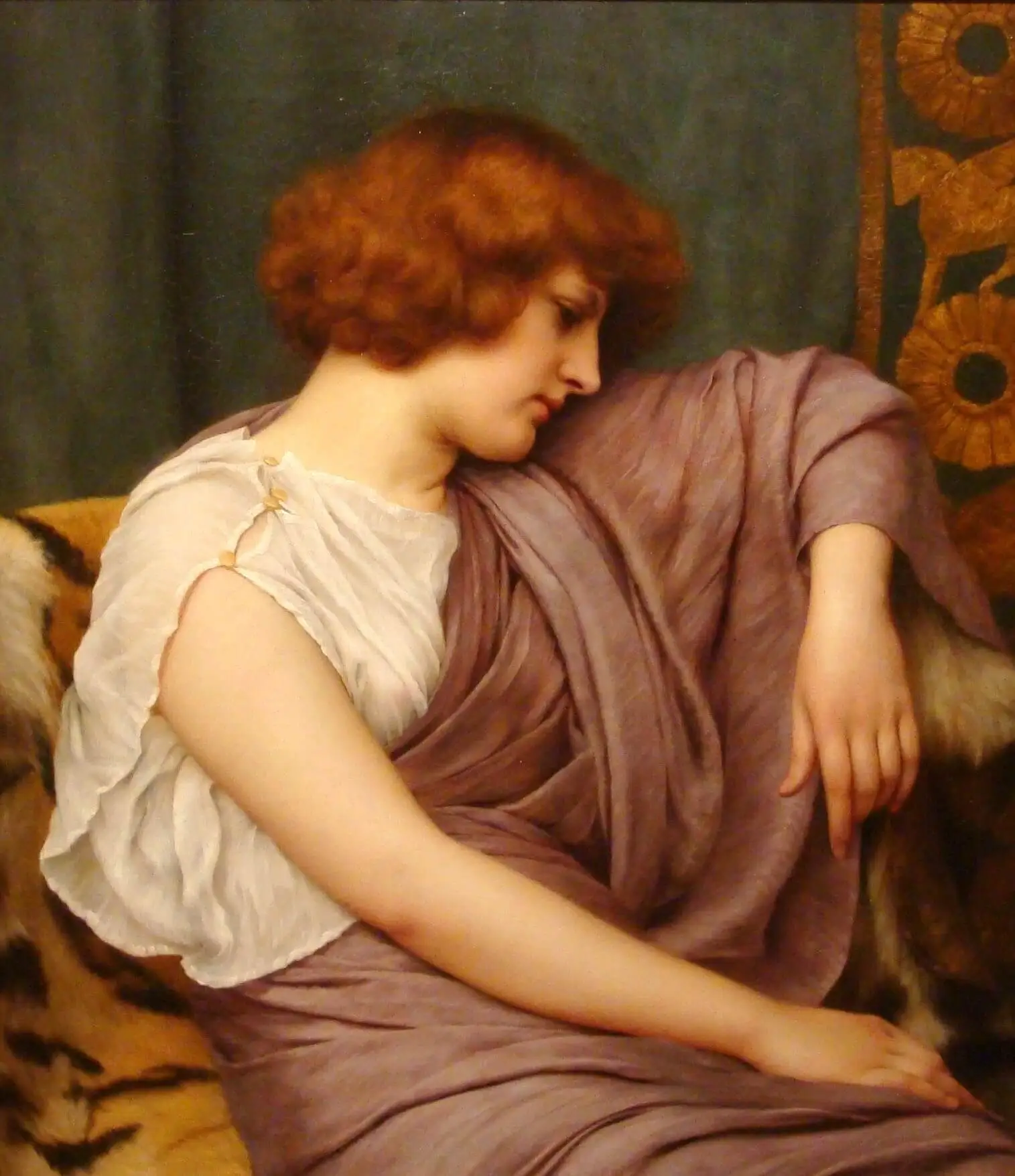
Briseis, 1896
This subject of this Neo Classic tour de force is taken from the Homeric epic, The Iliad. By the 1890s Godward was firmly established in London, where his refined and unique approach made him the master of painting beautiful women.
Edward Hopper
American School, 1882-1967
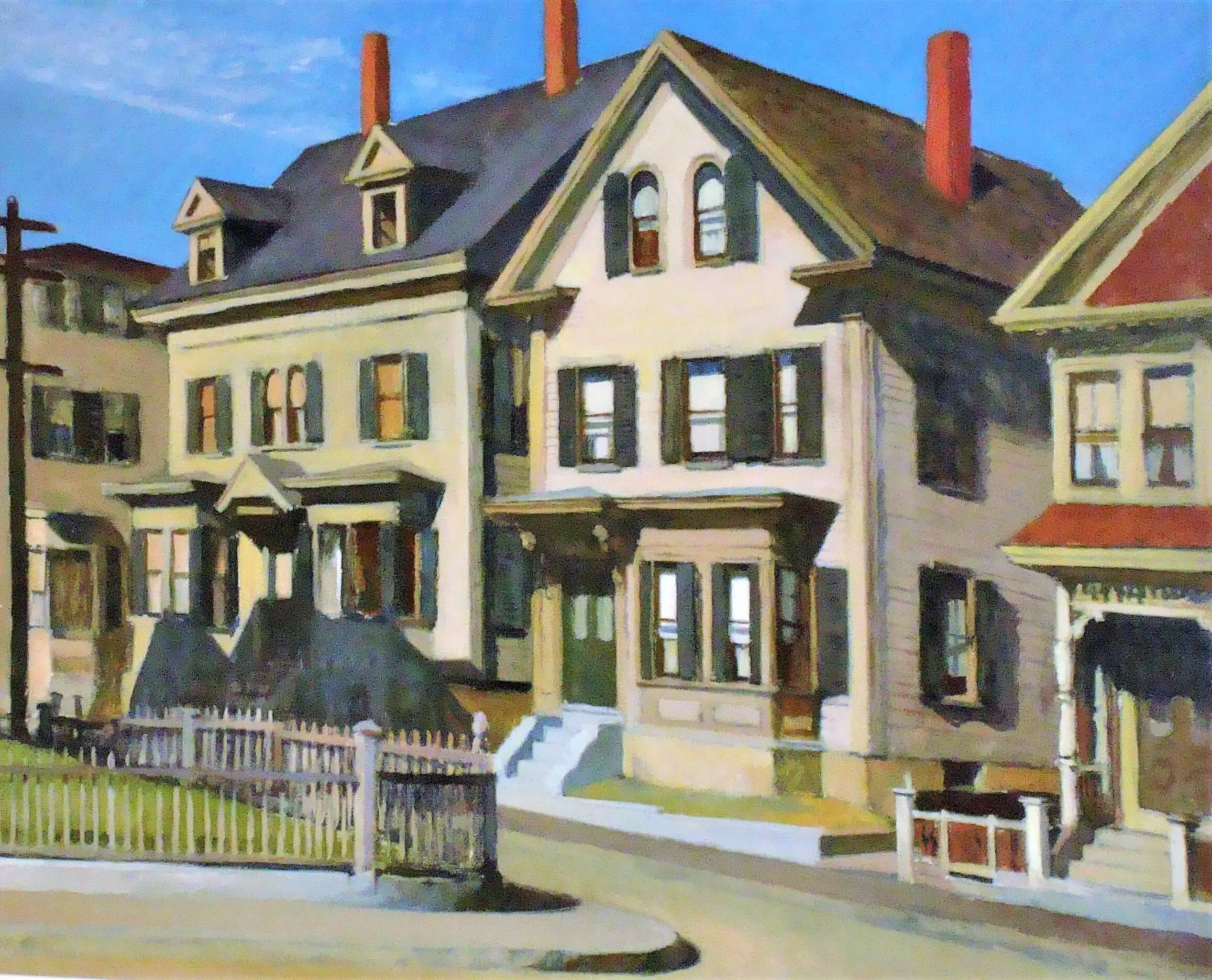
Gloucester Street, 1926
This townscape is one of the finest Hopper canvases still in a private collection. Executed during Hopper’s third visit to the Cape Anne town, it combines his stately solemnity and upright massing with a strong and highly desirable sunlit palette. Though devoid of figures, Hopper nonetheless gives us what might be called the mystery of palpable inhabitation, the suggestion of the human, through architectural elements alone.
Diego Rivera
Mexican School, 1886-1957
Las vendedoras, 1940
This little watercolor is a fresh as the flowers the women are selling. Rivera’s presentation of three floristas has the weight and scale of his larger paintings on this theme, a motif that is synonymous with his art.

Fernand Leger
French School, 1881-1955
Les constructeurs avec arbre, 1949-1950
The constructeurs group of paintings is a summation of Leger’s deep interest in machine human interaction. Leger has, for a moment, suspended time and gravity, giving us an arena where steel girders and drifting clouds have the same weight in this quintessential scene of our modern world.

Andy Warhol
American School, 1938-1988
Mao, 1972
An iconic example of Warhol’s obsession with portraiture and fame. Mao Zedong is boldly presented in his green tunic (the Zhongshan or “Mao suit”) against a background of Chinese red, the official color of the Communist state. One of the most striking of Warhol’s paintings of the man who lead China into the modern world.

Jean Michel Basquiat
American School, 1958-1988
Untitled, 1982
An early Basquiat drawing packed with the rage, wit and humor of the artist whose confrontational discourse perhaps best defined the African American situation vis à vis mainstream national culture in the late 20th century.

El Anatsui
Ghanian School, Born 1963
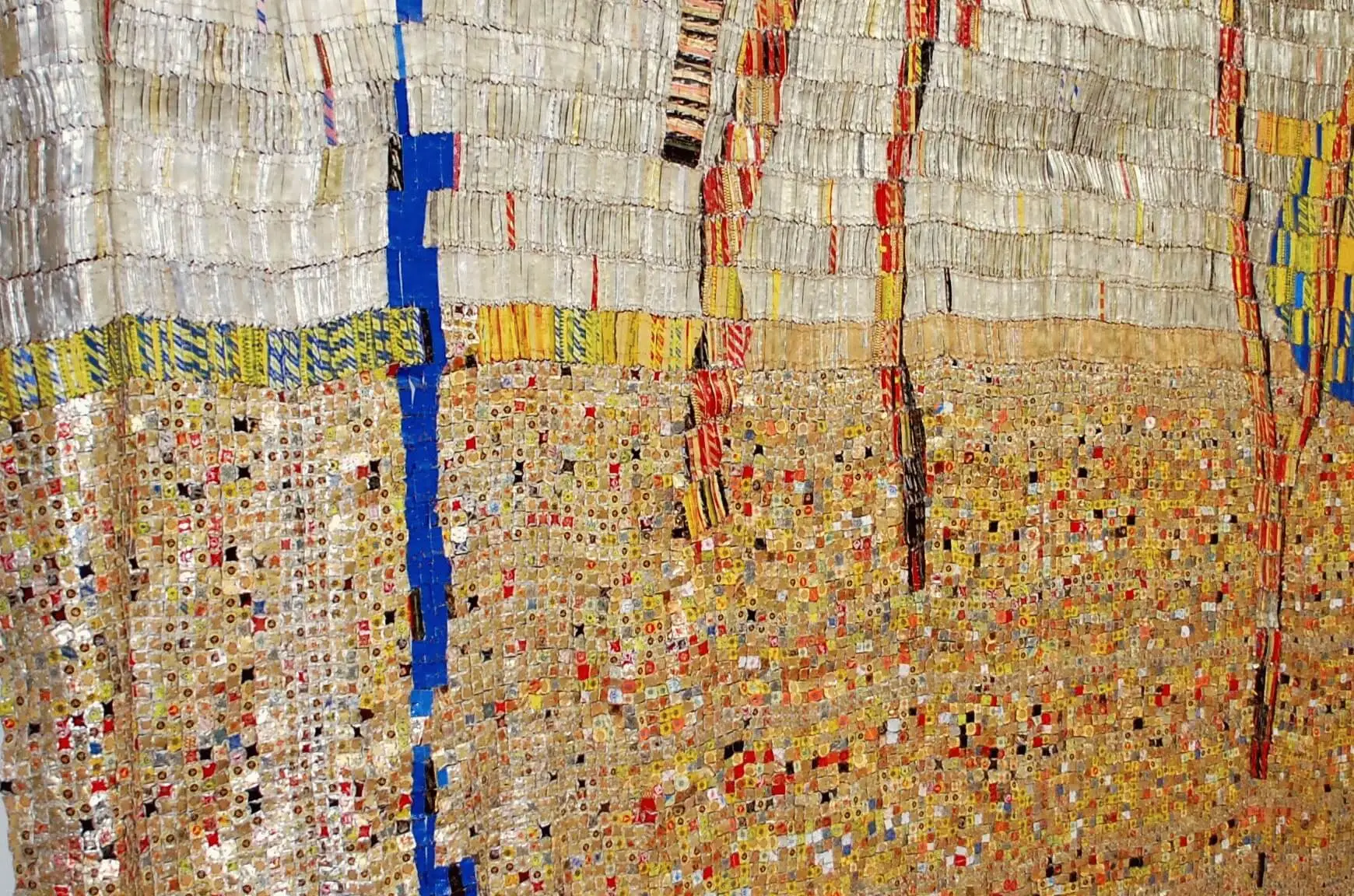
Untitled, 1986
El Anatsui’s tapestries are made of present day cast off artifacts. They use the beauty of the ordinary to rebuke exploitative and damaging consumerism while drawing out echoes of Africa’s Colonial past. El Anatsui’s recognition has helped propel African art to center stage in today’s world culture.
Banksy
English School, Born ca. 1974
Bandaged Heart Balloon, 2013
The mysterious provocateur Banksy has pushed back on issues of authenticity, consumerism and authority. His actions as a graffiti artist have altered and expanded the accepted canon of contemporary art. A child holding a heart shape balloon was the subject of the painting that caused an uproar when it was automatically shredded during its sale at a public auction in October, 2018.

French (unattributed)
French, Ca. 12th-13th Century
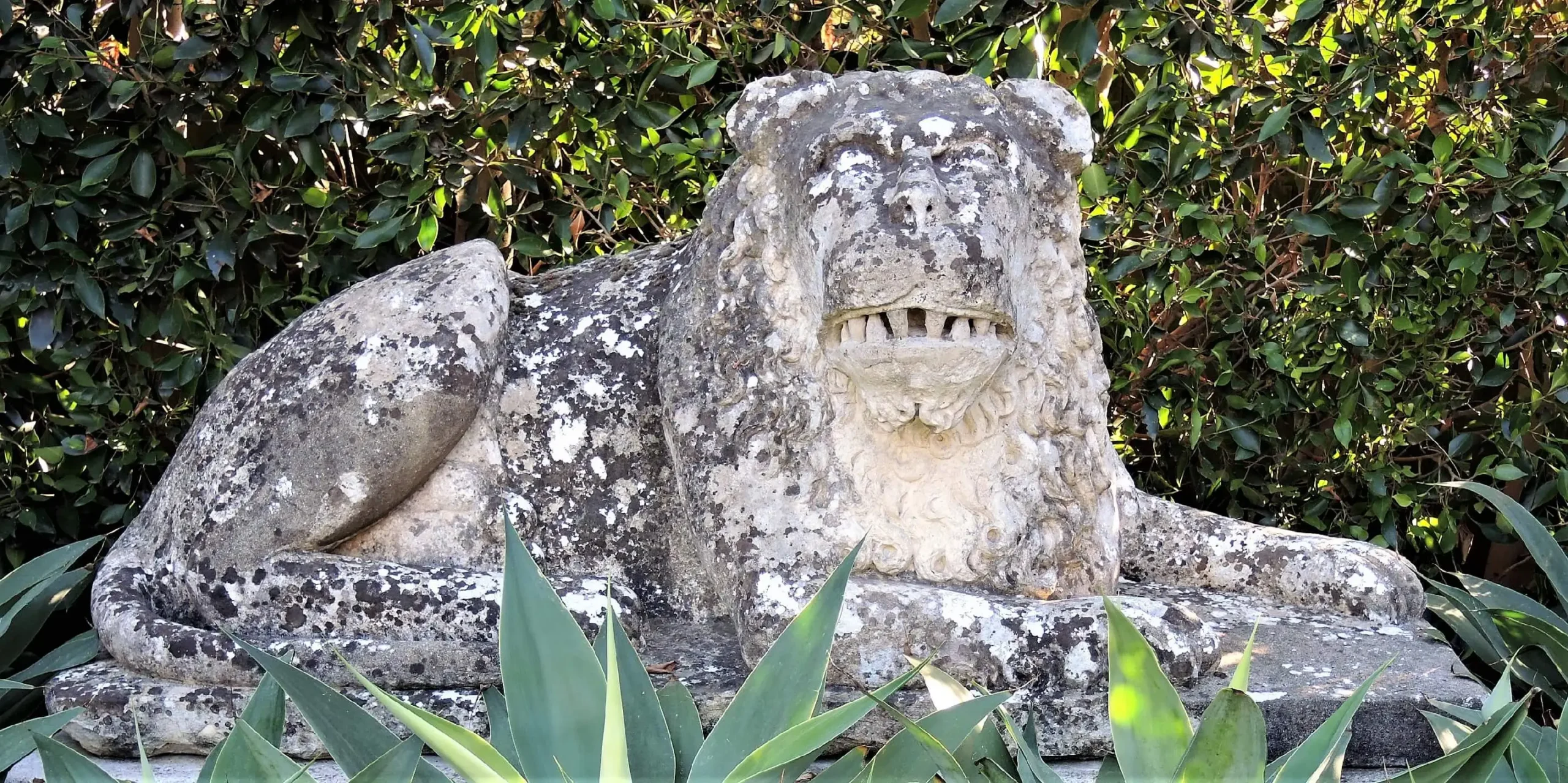
Untitled (recumbent lion, carved limestone), 12th-13th century
One of a pair of Late Medieval limestone recumbent lions whose fiercely alert presence once guarded the entry to a grand chateau and now watch over the cultivated sward of a beautiful Montecito garden.
After Michaelangelo Bunarotti
Italian School, 1475-1564
Hercules, later 16th century
At nearly 8 feet in height, this heroic limestone carving of Hercules has been accepted as cinquecento. Its bold outline, contraposto balance and monumentality are hallmarks of the style of Michaelangelo.

Italian School, Probably Roman
Italian School, Probably Roman
Roman General, 17th-18th century
This richly carved marble figure reflects the Neo Classic revival that swept through Western art during the Enlightenment. Anthemions and a winged lion suggest the ancient Greeks, while the lion heads mounted on shoulder and belt are a direct reference to the demi god Herakles, an association which a soldier could employ to burnish his own lineage and authority and, possibly, support his ambition to become Emperor.

Kevin Robb
American School, Born 1955
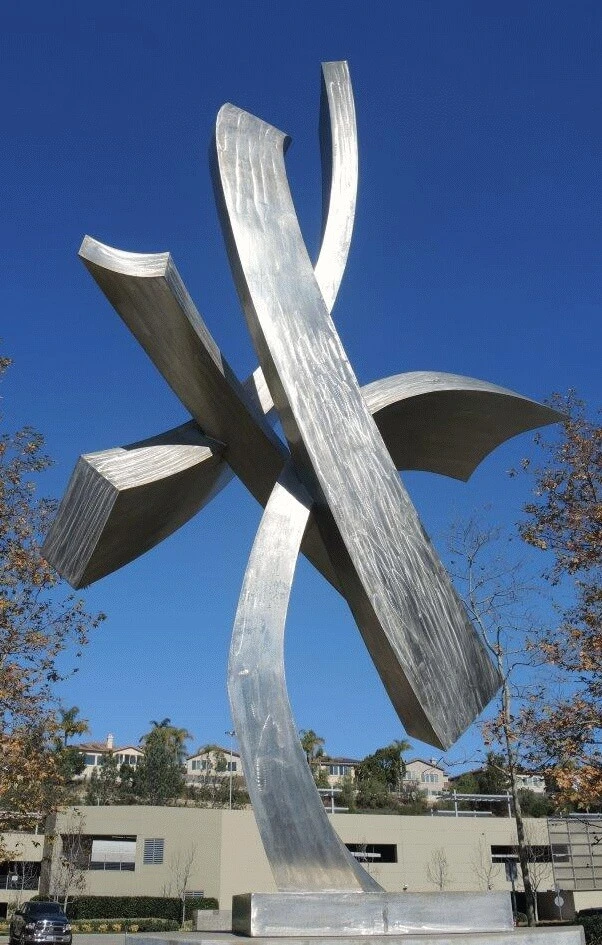
Dancing In The Sun, 2007
This monumental stainless steel sculpture stands in a modern business plaza that is visible from a major freeway in Southern California. The polished surface and crisp lines are a re statement of the intellectual pursuits of the clients working within the buildings, and it provides a landmark status for the owners of the project.
Isamu Noguchi
Japanese/American School, 1904-1988
California Scenario, 1980-1982
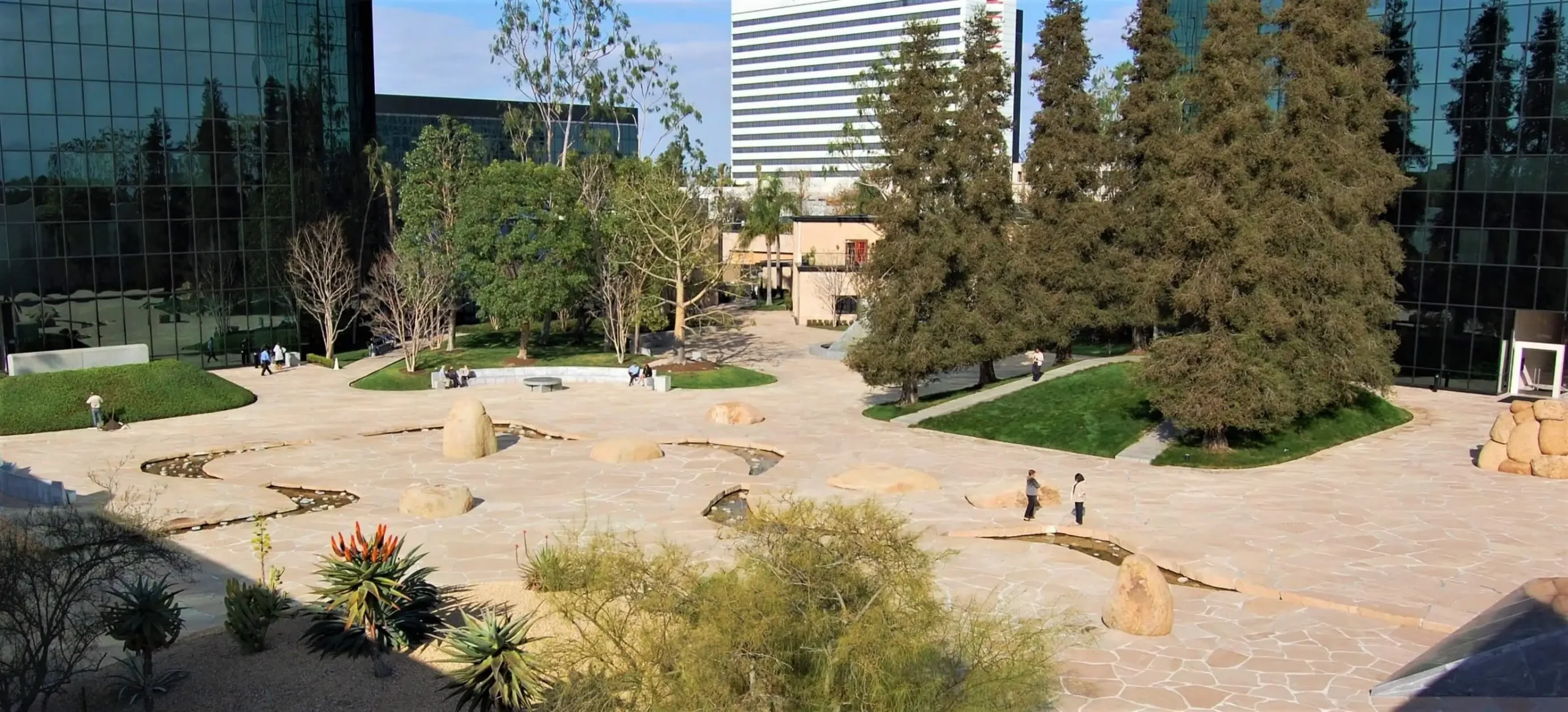
Sited on 1.6 acres between sleek glass office towers in Costa Mesa, California Scenario integrates geographical elements characteristic of California, incorporating indigenous plants, Redwood trees, stone (especially granite), and moving water. The centerpiece of the garden is The Spirit of the Lima Bean. Composed of 15 rust colored granite boulders cut and precisely fit together, this unique sculpture pays homage to the client who commissioned the site and to his family’s contributions to the agricultural heritage of Orange County. California Scenario is recognized as one of the finest sculpture gardens in the world.